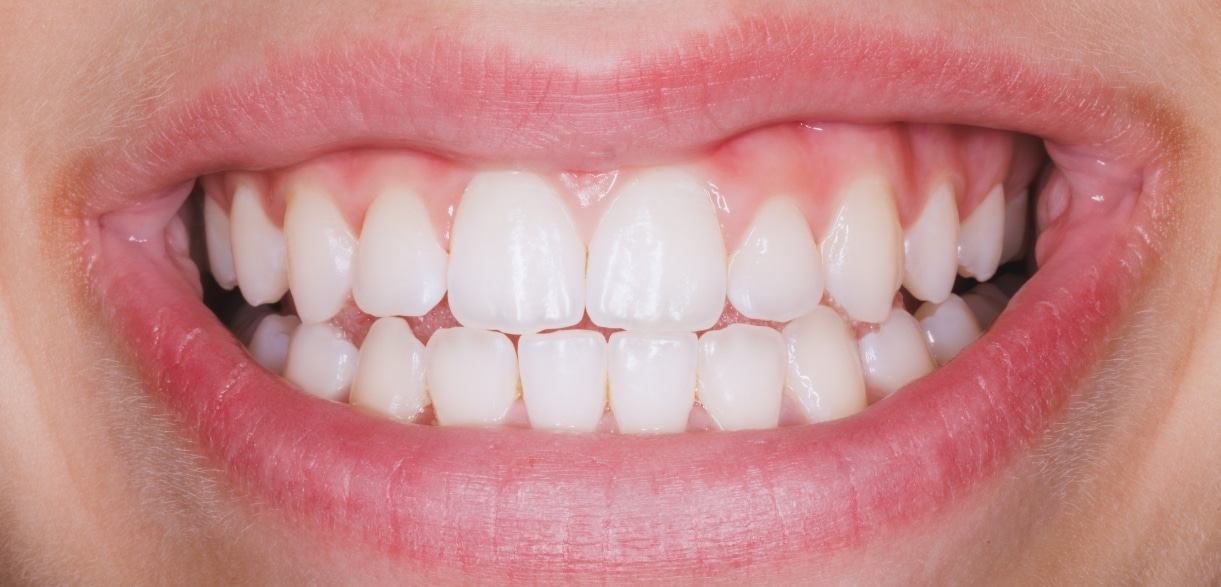


Is “Oil Pulling” a Real Substitute for Flossing? Dr. Edwin Clears Up the Confusion
When it comes to oral health, the internet is full of advice, tips, and trends. One of the most discussed topics in recent years is oil pulling. It’s an ancient practice that involves swishing oil (typically coconut or sesame) in your mouth to remove toxins and promote oral hygiene. But with the rise in popularity of this trend, many are wondering: Is oil pulling a real substitute for flossing? Dr. Edwin from Pearl Dentistry in Bridgeville helps clear up the confusion and explains why traditional dental practices, like flossing, should still be part of your daily routine.
What Is Oil Pulling?
Oil pulling, in its simplest form, involves swishing oil in your mouth for about 10-20 minutes. The idea is that the oil pulls bacteria, toxins, and debris from your teeth and gums. Historically, oil pulling dates back thousands of years in Ayurvedic medicine and was used to improve overall health, including oral hygiene.
The benefits of oil pulling are said to include:
- Whiter teeth
- Improved gum health
- Reduced plaque
- Fresher breath
- Detoxification
While these claims sound promising, is oil pulling enough to replace your regular flossing routine?
The Role of Flossing in Your Oral Health
Ask a dentist in Bridgeville, and you’ll get to know how crucial flossing is in your oral hygiene routine. Unlike brushing, which cleans the surfaces of your teeth, flossing is designed to reach the tight spaces between your teeth where food particles and bacteria often accumulate. These areas are typically missed by your toothbrush, making flossing an essential step to maintain optimal oral health.
Key benefits of flossing:
- Removes plaque buildup between teeth
- Helps prevent cavities and gum disease
- Improves overall gum health by reducing inflammation
- Reaches places that brushing alone can’t
Flossing once a day helps remove food particles and plaque from areas your toothbrush can’t reach. Without it, bacteria can build up, leading to issues like bad breath, gum disease, and tooth decay.
Oil Pulling vs. Flossing: Can One Replace the Other?
While oil pulling may offer some benefits, such as reducing bacteria and promoting fresh breath, it doesn’t replace the need for flossing. Here’s why:
- Flossing Targets the Crevices Between Teeth: Floss can get into the tiny gaps between your teeth that a toothbrush or oil pulling simply can’t reach. This is where plaque and food particles often get trapped, making flossing an irreplaceable part of maintaining oral health.
- Oil Pulling Is Not Scientifically Proven to Remove Plaque: Although some studies suggest oil pulling can reduce plaque and bacteria, there is no solid evidence showing that it’s as effective as flossing at removing plaque. The American Dental Association (ADA) still recommends traditional flossing as part of your daily oral hygiene routine.
- Flossing Is Better at Preventing Gum Disease: Regular flossing helps remove plaque from the gumline, reducing the risk of gum disease (gingivitis). Oil pulling, on the other hand, is not as effective at targeting bacteria along the gumline and may not provide the same level of protection against gum disease.
Why You Should Continue Flossing Daily
Even though oil pulling can offer some benefits, it should be used as a supplement to, not a substitute for, traditional oral care routines. Flossing remains one of the best ways to prevent gum disease, cavities, and bad breath. Here’s why you should continue flossing:
- Prevents Cavities and Gum Disease: Flossing daily removes plaque and debris from between your teeth, where cavities and gum disease often begin.
- Improves Gum Health: Regular flossing helps to reduce inflammation and promotes healthier gums, preventing issues like gingivitis.
- Improves Overall Health: By reducing bacteria in your mouth, you’re also reducing the risk of systemic issues, such as heart disease and diabetes.
Should You Try Oil Pulling? Here’s What Dr. Edwin Says
Dr. Edwin from Pearl Dentistry advises that oil pulling can be a great supplementary practice for those looking to add another layer of oral hygiene. However, it should not replace brushing and flossing. If you’re looking for an alternative way to freshen your breath or reduce bacteria, oil pulling may be worth trying. But for optimal oral health, it’s important to maintain traditional practices like brushing and flossing.
While oil pulling may have some benefits, it is not a substitute for flossing. Keep flossing daily to maintain your oral health, and consider incorporating oil pulling as an additional step in your routine. If you’re due for a cleaning or check-up, Pearl Dentistry in Bridgeville is here to help. Our experienced team, led by Dr. Edwin, is committed to providing personalized care to keep your smile healthy.
Call us today to schedule your next appointment!
People Also Ask
Q: Can oil pulling completely replace flossing?
A: No, oil pulling cannot replace flossing. Flossing removes plaque and debris between your teeth that a toothbrush or oil pulling cannot reach. Both should be part of your daily routine.
Q: How often should I floss?
A: You should floss at least once a day, preferably before bedtime, to remove food particles and plaque that can accumulate throughout the day.
Q: What oil is best for oil pulling?
A: Coconut oil is the most popular choice for oil pulling due to its antibacterial properties, but sesame oil and sunflower oil are also commonly used.
Q: Can oil pulling help with bad breath?
A: Yes, oil pulling may help reduce bad breath by removing bacteria and toxins in your mouth, though it should not replace brushing and flossing for comprehensive oral care.
Q: Can I do oil pulling instead of brushing?
A: No, oil pulling should never replace brushing. You need to brush your teeth at least twice a day to properly clean your teeth.