

Tooth Pain at 2 AM: Your Real Options Before Emergency Extraction
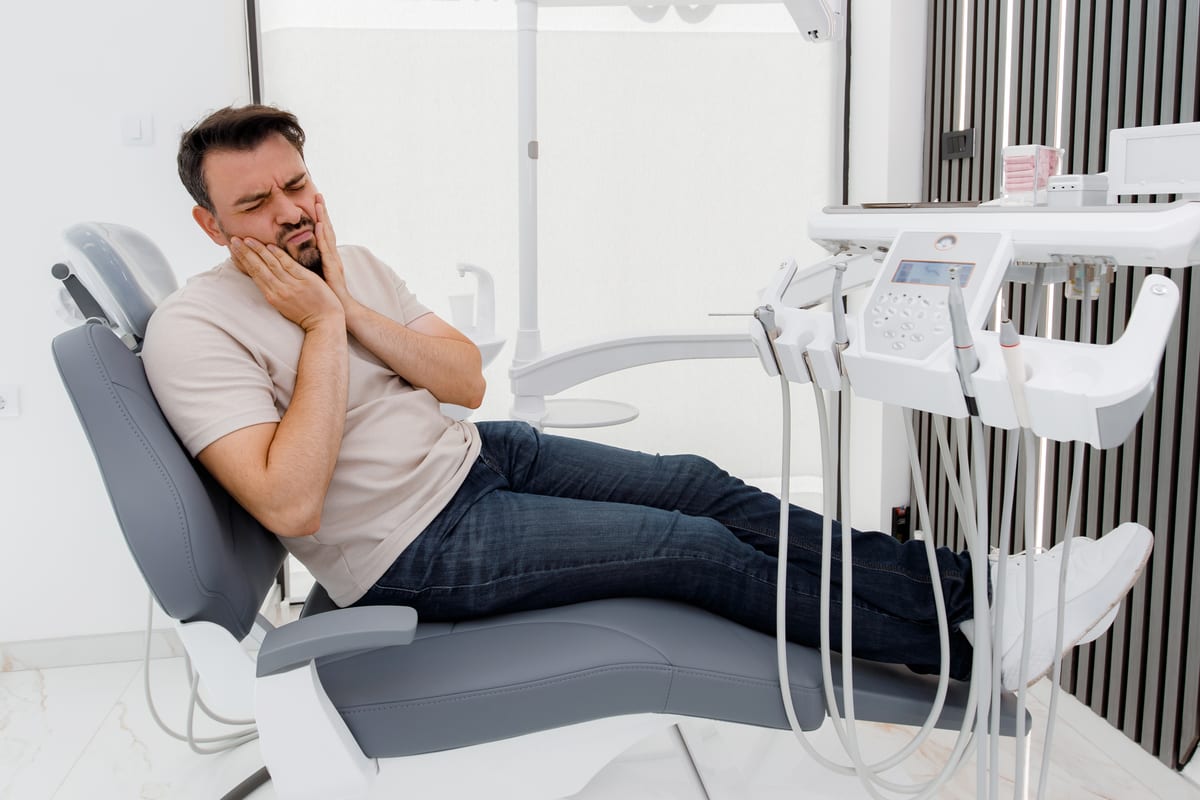
Tooth pain at 2 AM hits differently than daytime discomfort. Your regular dental office is closed. You can’t sleep. The throbbing won’t stop. If you’re searching for real options before emergency extraction in Bridgeville, you’ve come to the right place. This guide walks you through exactly what to do — right now and in the morning.
Why Tooth Pain Gets Worse at Night
Nighttime tooth pain isn’t just in your head. When you lie down, blood pressure in your head increases. That extra pressure directly intensifies dental pain. Inflammation from infection or decay also continues building while you rest.
Your body also has fewer distractions at night. During the day, work and activity pull your focus away from discomfort. At 2 AM, that pain becomes the only thing in the room. Understanding why this happens helps you respond more calmly and strategically.
Common causes of sudden nighttime tooth pain include:
- Deep tooth decay that has reached the nerve
- A cracked or fractured tooth
- An abscess or active dental infection
- A lost filling or broken crown
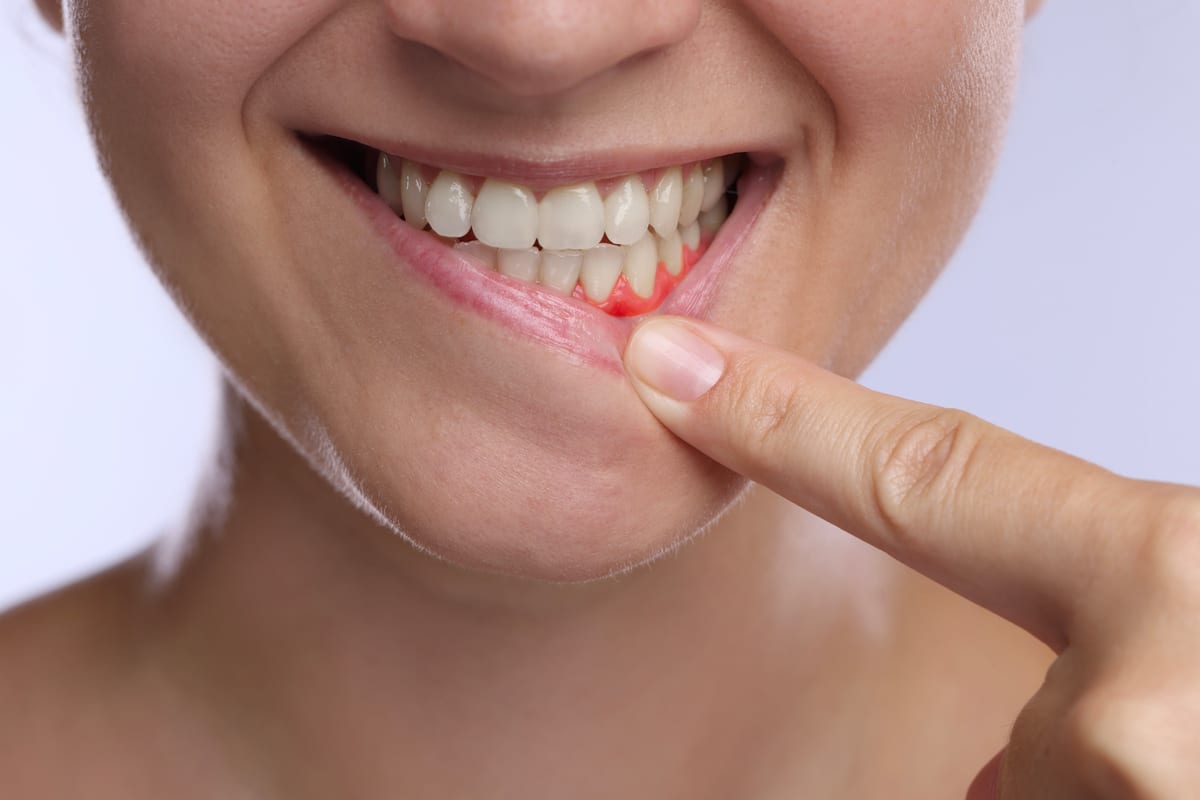
- Gum disease that has progressed significantly
Not every one of these situations requires immediate emergency extraction in Bridgeville. Some can wait until morning with proper at-home management. Others genuinely cannot.
At-Home Relief Options While You Wait
Before calling anyone at 2 AM, try these safe interim measures. They won’t fix the problem. But they can reduce your pain enough to get through the night.
Over-the-counter pain relief is your first tool. Ibuprofen reduces both pain and inflammation. Acetaminophen is a solid alternative if you can’t take ibuprofen. Never place aspirin directly on a tooth or gum — it causes chemical burns.
Clove oil contains eugenol, a natural numbing compound. Apply a small amount to a cotton ball. Press it gently against the painful tooth for temporary relief. You can find clove oil at most pharmacies.
Other helpful at-home steps include:
- Rinsing with warm salt water to reduce bacteria and swelling
- Applying a cold compress to your cheek in 15-minute intervals
- Elevating your head with an extra pillow to reduce blood pressure near the tooth
- Avoiding very hot, cold, or sweet foods and drinks
These measures are temporary bridges — not treatments. Make sure you contact a dental professional as soon as possible after managing the immediate pain.
When Tooth Pain Is a True Dental Emergency in Bridgeville
Some symptoms cannot wait until a regular appointment opens. Knowing the difference protects your health. Certain signs indicate a serious or even life-threatening situation developing quickly.
Seek emergency care immediately if you experience any of the following:
- Severe swelling spreading to your jaw, neck, or face
- Difficulty swallowing or breathing alongside dental pain
- Fever combined with intense tooth pain
- A dental abscess that appears to be spreading rapidly
Spreading infection from a tooth can become dangerous within hours. If swelling is moving toward your throat or you have trouble breathing, go to the emergency room immediately. This is not a situation to manage at home.
For everything else — broken teeth, lost crowns, severe but localized pain — contact Pearl Dentistry of Bridgeville first thing when the office opens. Dr. Edwin Yu and the team prioritize urgent cases and will work to see you quickly.
What Happens at Your Emergency Dental Visit
Walking into an emergency appointment can feel intimidating, especially when you’re already in pain. Knowing what to expect helps you feel calmer. The goal of an emergency visit is always to relieve pain and prevent the situation from worsening.
Dr. Yu will begin by taking a focused X-ray of the affected tooth. This reveals decay depth, nerve involvement, and bone condition. That information guides the treatment recommendation immediately.
Depending on what the X-ray shows, your options may include:
- Root canal therapy — saves the tooth by removing the infected nerve tissue
- Temporary filling or crown — protects an exposed or broken tooth quickly
- Antibiotic prescription — controls infection before more extensive treatment
- Tooth extraction — only recommended when saving the tooth is no longer possible
Extraction is always a last resort at Pearl Dentistry of Bridgeville. Dr. Yu explores every option to save your natural tooth first. If extraction does become necessary, the team discusses Dental Implants Bridgeville and other replacement options with you right away.
Preventing the Next 2 AM Emergency
After surviving a dental emergency, most patients never want to repeat the experience. The good news is that most dental emergencies are preventable. Regular care is the single most effective protection you have.
Routine Dental Exams And Teeth Cleaning Bridgeville appointments allow Dr. Yu to catch small problems early. A tiny cavity found at a routine visit costs far less — in time, money, and pain — than an abscess that erupts at 2 AM. Prevention really is the best emergency plan.
Simple habits that dramatically reduce your emergency risk include:
- Brushing twice daily with fluoride toothpaste
- Flossing every day to remove bacteria between teeth
- Wearing a mouthguard during contact sports
- Attending professional cleanings every six months
- Addressing sensitivity or mild pain early — before it escalates
Pain is your body’s signal that something needs attention. Ignoring early warning signs is what transforms a manageable cavity into a middle-of-the-night crisis. Listen to the signals early and act on them.
Your Next Steps as a Bridgeville Patient
If you’re reading this at 2 AM with a throbbing tooth, here is a clear, simple action plan. First, take appropriate over-the-counter pain relief. Second, apply clove oil or a cold compress for additional comfort. Third, write down your symptoms and when they started — this helps your dentist tremendously at your morning visit.
If you have swelling spreading to your face, neck, or jaw, or if breathing becomes difficult, go to the nearest emergency room immediately. Do not wait until morning in those situations.
For all other urgent dental concerns, contact Pearl Dentistry of Bridgeville as soon as the office opens. Dr. Edwin Yu and the team are committed to seeing emergency patients promptly. You don’t have to suffer through dental pain alone or rush into decisions you haven’t had time to consider. Book Now to schedule your appointment with our team.
Frequently Asked Questions
Is a toothache at night always a dental emergency?
Not always. Severe pain with swelling, fever, or difficulty swallowing is a true emergency requiring immediate care. Moderate pain without those symptoms can often be managed at home overnight with over-the-counter relief until your dentist opens.
Can I take ibuprofen and acetaminophen together for tooth pain?
In many cases, yes — alternating the two can provide better pain relief than either alone. However, always follow dosage instructions on each package and consult a pharmacist or physician if you have any underlying health conditions before combining medications.
How do I know if I have a dental abscess?
A dental abscess typically causes severe, throbbing pain that doesn’t let up. You may notice swelling in your gum, jaw, or face, a pimple-like bump on the gum, or a bad taste in your mouth. Fever alongside these symptoms is a serious warning sign requiring urgent dental or medical care.
Will I definitely need an extraction if I come in with emergency tooth pain?
Not necessarily. Dr. Edwin Yu at Pearl Dentistry of Bridgeville always explores every option to save your natural tooth first. Root canal therapy, temporary restorations, or antibiotics often resolve the situation without extraction. Extraction is only recommended when no other option can reliably preserve the tooth.
How soon can Pearl Dentistry of Bridgeville see me for a dental emergency?
Pearl Dentistry of Bridgeville prioritizes patients experiencing dental pain or urgent situations. Contact the practice as early as possible when the office opens and describe your symptoms clearly. The team works hard to accommodate emergency cases quickly so you can get relief without unnecessary delay.