
5 Signs Your “Toothache” is Actually an Infected Root
If you’ve been dealing with a toothache, it might be more than just a simple pain. In fact, what you think is a routine ache could actually be the result of a deeper issue: an infected root. While regular toothaches are common and often go away on their own, an infected root can lead to more serious complications if left untreated.
Understanding the difference between the two is crucial for your dental health. An infected root can damage the tooth structure, spread infection, and even affect your overall health. Recognizing the signs early can save your tooth and prevent more invasive procedures like extractions.
Let’s dive into the 5 key signs that your toothache might actually be an infected root.
What Causes a Tooth Root Infection?
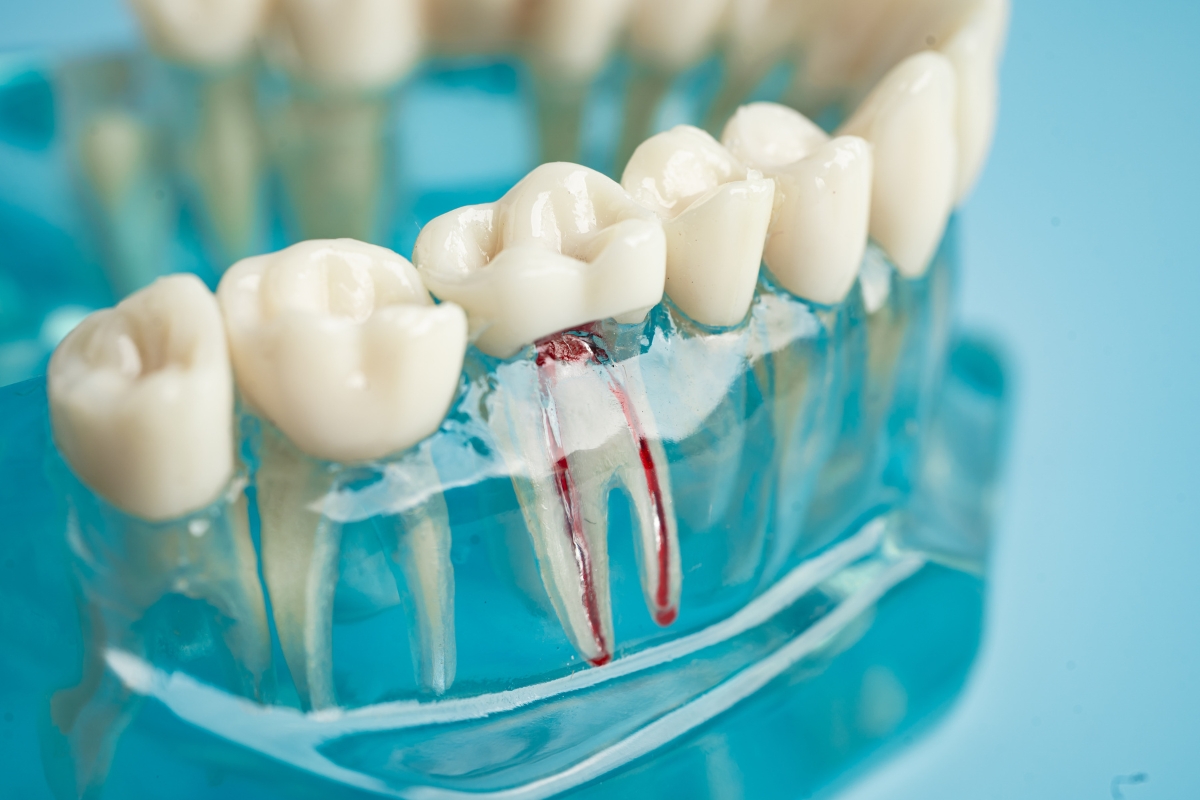
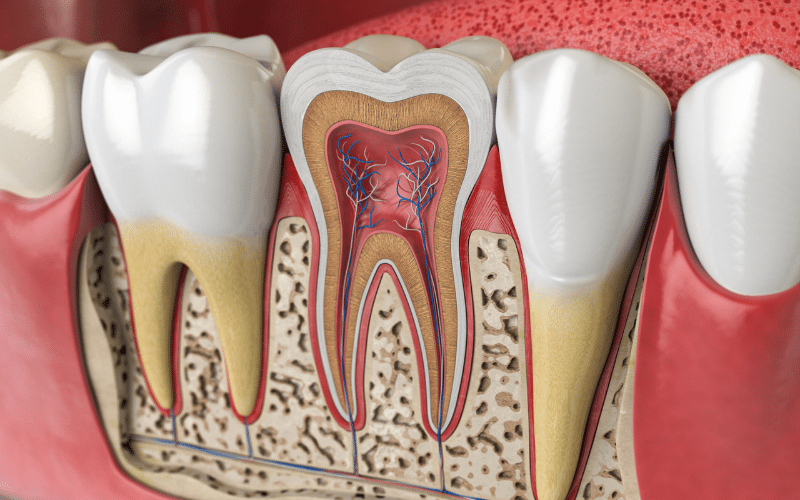
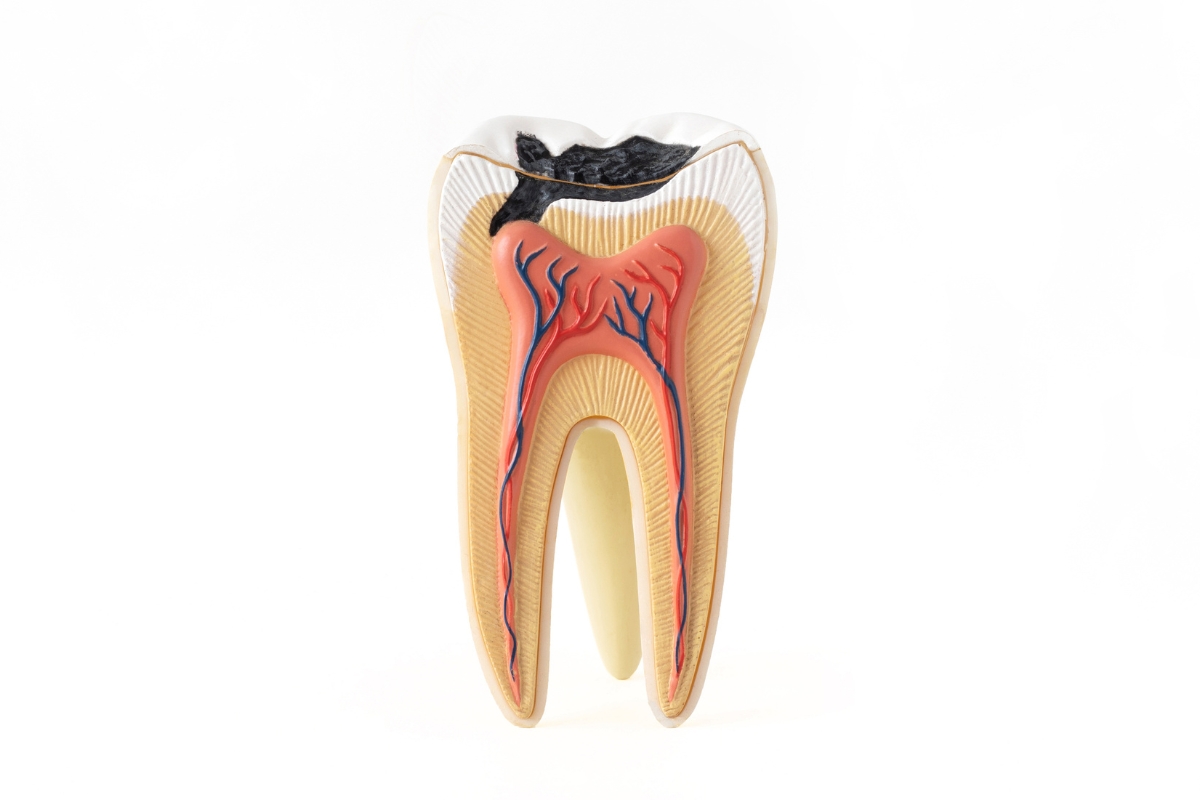
A tooth root infection, also known as an abscessed tooth, occurs when the pulp of the tooth becomes infected. This is the soft tissue inside the tooth that contains nerves and blood vessels. The infection typically starts in the root, often as a result of untreated tooth decay, trauma, or gum disease.
1. Untreated Cavities:
One of the most common causes of a root infection is an untreated cavity that has gone on for too long. Cavities develop when plaque and bacteria erode tooth enamel, creating a hole. If left untreated, bacteria can travel deeper into the tooth, reaching the pulp and causing infection.
2. Trauma or Injury:
A crack or chip in a tooth can expose the inner pulp, allowing bacteria to enter and infect the root. This can occur from an accident, sports injury, or even excessive teeth grinding.
3. Gum Disease:
Periodontal disease can also lead to root infections. When the gums become infected and recede, it exposes the tooth roots, allowing bacteria to enter and cause damage.
4. Poor Dental Hygiene:
Neglecting proper oral hygiene can lead to the buildup of plaque and bacteria. If you don’t brush and floss regularly, food particles and bacteria can remain trapped in your mouth, promoting the development of cavities and gum disease, which can ultimately cause a root infection.
5. Previous Dental Work:
Sometimes, a previous dental filling or procedure can become loose or faulty, allowing bacteria to enter the tooth. This can result in an infection in the root that requires attention.
How an Infected Root Affects Your Oral Health
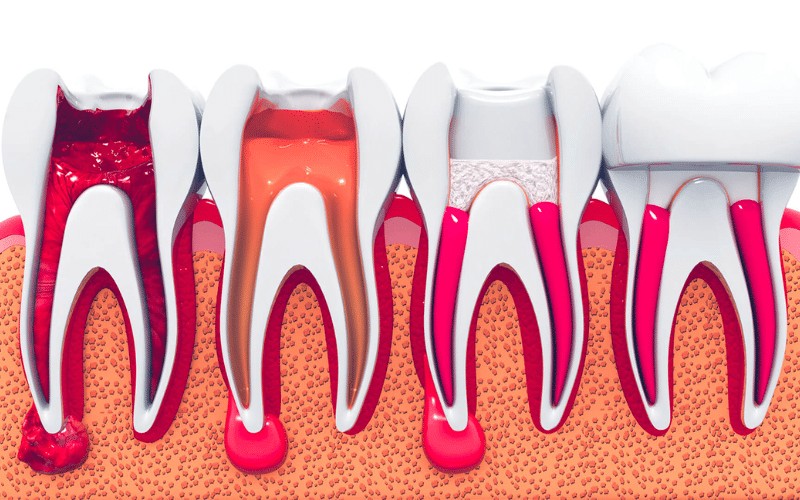
If left untreated, an infected root can spread infection to surrounding tissues, causing severe damage. The progression of a root infection can have a significant impact on your oral health and overall well-being. Here comes the role of root canal treatment in Bridgeville.
Below are the ways through which an infected root affects.
1. Damage to Surrounding Teeth and Gums:
The infection can travel from the root into the bone and surrounding gums. This can cause severe gum disease, bone loss, and even the loss of other teeth. Over time, untreated root infections can lead to more complex oral issues that are harder to treat.
2. Abscess Formation:
One of the most serious complications of an infected root is the formation of an abscess, a pocket of pus that can become quite painful. Abscesses can lead to swelling in the gums, jaw, or face, and they may even cause fever or difficulty swallowing. In extreme cases, untreated abscesses can lead to systemic infections that affect other parts of the body.
3. Nerve Damage:
Infected roots can severely damage the tooth’s nerves, leading to pain, numbness, or even the complete loss of sensation in the affected area. If the infection spreads too far, the tooth may need to be extracted.
4. Impact on Overall Health:
Infections in the mouth can affect more than just your teeth. The bacteria from an infected root can enter your bloodstream and spread to other areas of the body, including the heart. This can lead to serious health conditions, including endocarditis (an infection of the heart lining).
5. Tooth Loss:
In severe cases, the infection can destroy the tooth structure, leading to tooth loss. Once the tooth root is irreparably damaged, the tooth may need to be extracted, leaving you with the option of implants or bridges.
5 Common Signs Indicating Your Toothache is an Infected Root
1. Persistent Pain
If the pain in your tooth doesn’t go away and seems to worsen over time, it could be a sign of an infected root. Unlike regular toothaches that may subside after a day or two, an infected root causes constant, throbbing pain that can escalate, particularly at night or when chewing.
- Additional Details: The pain may feel like a dull ache or a sharp, stabbing sensation that keeps you awake at night. This is caused by the inflammation of the root and the pressure from the infection.
- When to Seek Help: If the pain persists for more than a few days or intensifies, it’s time to seek professional help. An infected root can only get worse without treatment.
2. Swelling Around the Tooth
Swelling and tenderness in the gums near the affected tooth are other signs of an infected root. This could manifest as redness, swelling, or even the formation of a visible bump.
- Visual Indicators: You may notice pus or a foul-smelling discharge if the infection is draining.
- Call to Action: Swelling is a clear sign of infection, and you should contact a dentist immediately to prevent further complications.
3. Sensitivity to Hot or Cold
Increased sensitivity to hot or cold foods and drinks is common with root infections. Unlike normal tooth sensitivity, which may subside after a moment, the pain from an infected root can be sharp, lasting, and difficult to manage.
- When it’s Serious: If the sensitivity is prolonged or triggered by mild temperature changes, it may be a sign that the infection has reached the tooth pulp or nerve.
- When to Seek Help: This type of sensitivity needs immediate attention to prevent further nerve damage or infection spread.
4. Bad Breath or A Bad Taste in Your Mouth
Persistent bad breath or a foul taste in the mouth can be linked to an infected root. The infection creates a buildup of bacteria in the affected area, causing these unpleasant symptoms.
- Cause: The infection and decaying tissue release toxins that contribute to bad breath.
- Recommendation: If this symptom persists, see a dentist to address the infection before it spreads.
5. Visible Darkening of the Tooth
A darkened tooth could be an indication that the tooth’s pulp is dying due to infection. This darkening is often accompanied by pain or sensitivity.
- Why it Happens: As the infection spreads, it can cause the blood supply to the tooth to diminish, leading to discoloration.
- When it’s Serious: If you notice that your tooth has changed color, it’s crucial to visit a dentist as soon as possible to determine the extent of the infection.
The Importance of Early Detection in Root Infections
Early detection of a root infection is essential to avoid severe complications and tooth loss. By recognizing the signs early, you give yourself the best chance at preserving your tooth and overall oral health. Root canal treatment in Bridgeville is often the most effective solution when a root infection is caught early, and it can help restore the tooth’s function and appearance.
Delaying treatment increases the risk of the infection spreading, which can lead to more invasive procedures such as tooth extraction, bone loss, or the need for an implant. Furthermore, untreated infections can negatively affect your overall health, leading to more serious conditions like systemic infections.
Regular dental check-ups and prompt attention to any unusual pain or symptoms can significantly reduce your risk of tooth loss and prevent the need for more complex treatments.
In conclusion, recognizing the signs of an infected root early is essential for preserving your tooth and preventing further complications. Persistent pain, swelling, sensitivity, bad breath, and visible darkening of the tooth are all indicators that you may be dealing with an infected root.
If you notice any of these signs, don’t wait until the pain becomes unbearable. Contact Pearl Dentistry of Bridgeville for an evaluation and treatment. Early intervention through root canal treatment can save your tooth and restore your smile.
People Also Ask
Can an infected root cause bad breath?
Yes, an infected root can lead to foul-smelling breath due to bacterial buildup in the infected area.
Is tooth sensitivity a sign of an infected root?
Yes, heightened sensitivity to hot or cold that doesn’t go away could indicate an infected root that needs attention.
What happens if a root infection goes untreated?
Untreated infections can lead to abscesses, tooth loss, bone damage, or even spread to other parts of the body, causing serious health issues.
How can I prevent an infected root?
Maintaining good oral hygiene, visiting your dentist regularly, and addressing cavities early can prevent root infections.
How long does it take to recover from a root canal?
Recovery from a root canal typically takes a few days, with minimal discomfort. Most patients can resume normal activities quickly after the procedure.