
What Causes the Need for a Root Canal? Prevention Tips for Bridgeville Families
Have you ever wondered why root canals are needed and how they can be avoided? The procedure of root canals has often been associated with fear and mystery. Mere thoughts of them send shivers down your spine. However, it is through understanding their causes and how to prevent them that you will save yourself from unnecessary pain and costly procedures.
While root canals are important in saving a tooth, they are better kept at bay through proactive care. This blog describes the causes of root canals and shares some prevention tips for Bridgeville families.
What is a Root Canal?
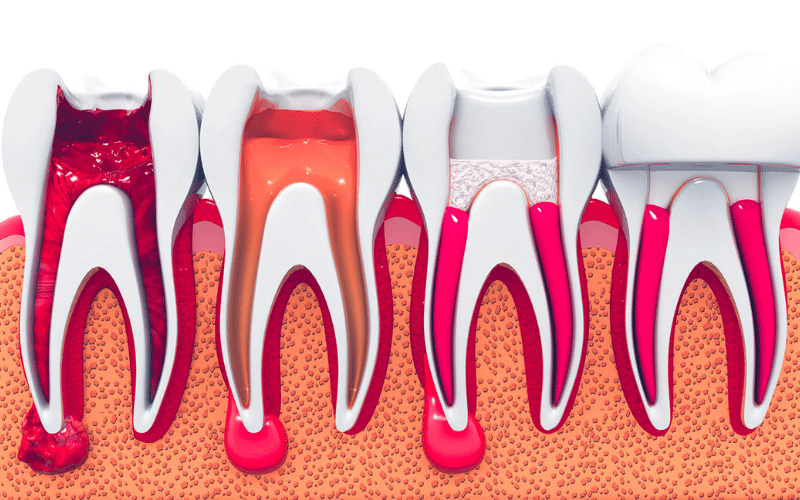
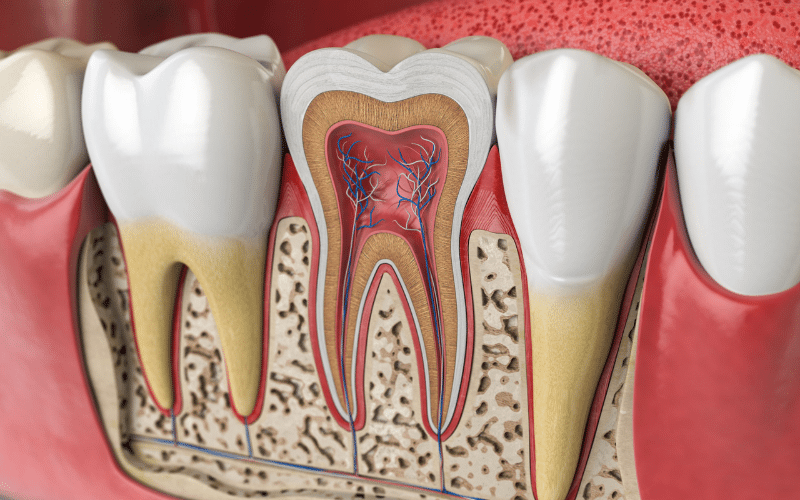
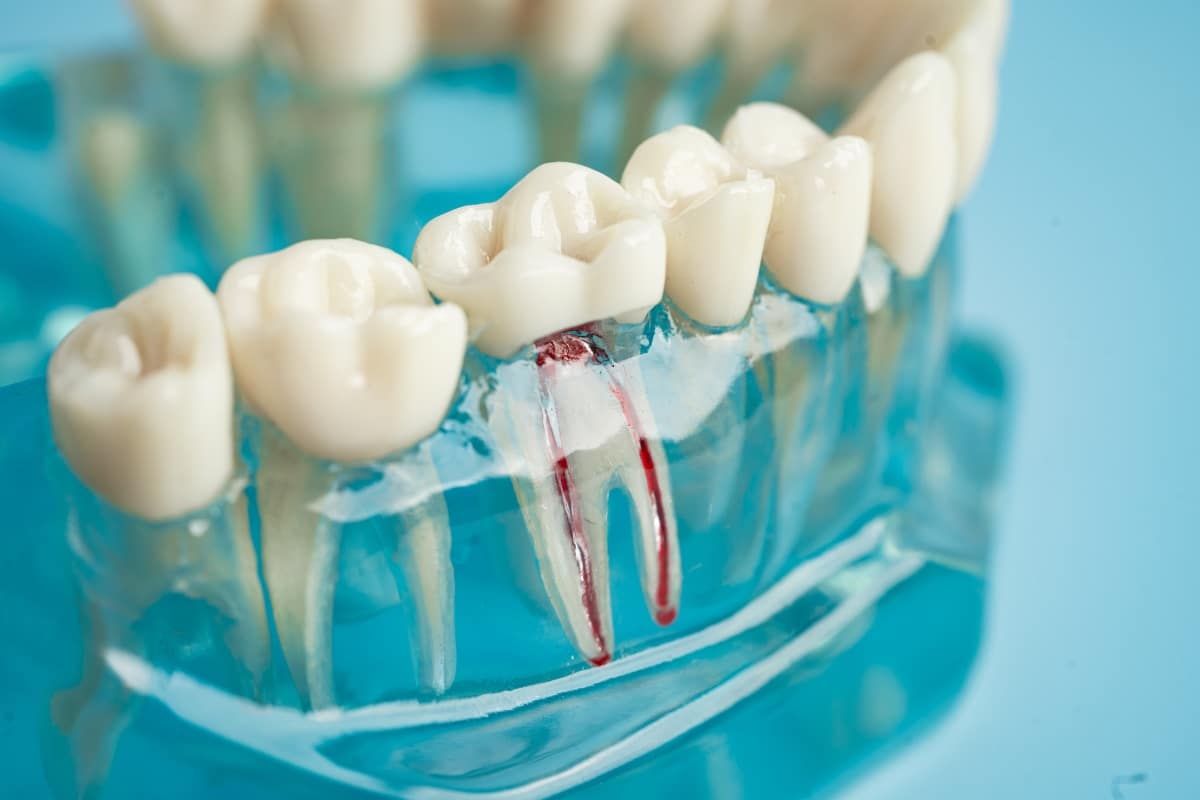
A root canal is performed to remove infected pulp from a tooth. The pulp contains nerves and blood vessels that may become damaged by decay or injury. After removing the pulp through a root canal, that tooth is saved, and the infection will not be able to spread.
Many associate root canals with extreme pain, although the procedure is actually done to alleviate such pain. Many misconceptions lead people to believe that root canals hurt. However, new techniques ensure comfort for patients during this process.
Root canals in Bridgeville are performed in cases of deep cavities, teeth fracture, or when there is a serious infection of the gums, and are meant to preserve the natural teeth.
What is the cause of a root canal?
Many of the dental problems result in pulp infection, and that is why root canals are often necessary.
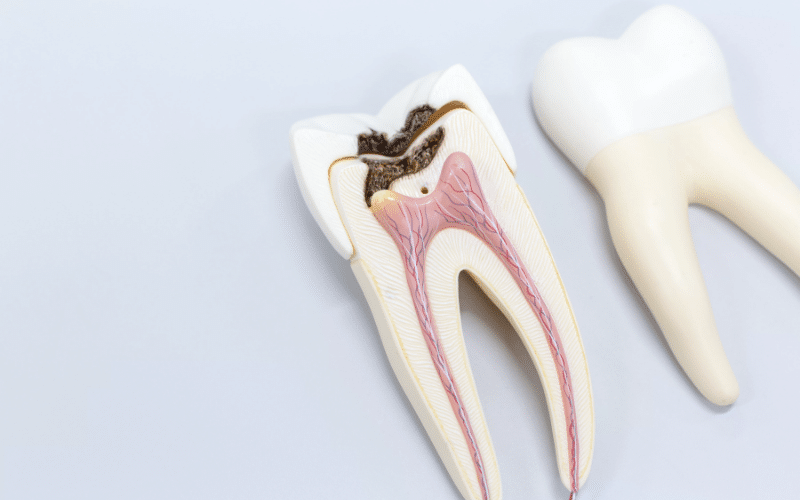
Tooth Decay: When cavities are not treated, the bacteria infiltrate through the tooth structure and reach the pulp, leading to a root canal. This is the most common cause of pulp damage.
Cracked or Chipped Teeth: Trauma from a fall or blow can cause a tooth to crack and expose pulp, making it vulnerable to infection. In this instance, a root canal is often the only way to save your tooth.
Infections or Abscesses: When there is an infection and it is left untreated, it could spread to the pulp and cause severe pain and swelling. Untreated infections may lead to abscesses, for which root canals are needed to avoid further damage.
Repetitive Dental Procedures: Repetitive procedures like multiple fillings or treatments in the same tooth will weaken the structure over time and may reach the pulp. This could lead to a root canal if the pulp is damaged.
Common signs you may need a root canal include a lingering toothache, sensitivity to hot or cold, and visible swelling around the tooth. These are surefire ways to determine that you might need a root canal to alleviate the pain.
Prevention Tips for Bridgeville Families
The best way to prevent root canals in Bridgeville and ensure long-term dental health is through prevention. Here are some key tips for families in Bridgeville:
Regular Dental Check-ups: Regular dental check-ups would facilitate the early detection of any cavity, infection, or crack. Your dentist can catch it sooner and save you from a root canal.
Oral Hygiene: Do not forget to brush your teeth at least twice a day. Floss once daily to remove plaque and avoid cavities. Fluoride toothpaste will help strengthen teeth and make them resistant to decay.
Dietary Habits: Avoid sugary foods and drinks as they lead to tooth decay. Healthy snacking includes replacing sugary foods with fruits, vegetables, and nuts, which help your teeth remain strong and cavity-free.
Use a mouthguard: People and their children who are involved in sports activities should always wear a mouthguard. This will protect the teeth from trauma and prevent cracks, which could lead to a root canal.
Address Cracked Teeth on Time: In case you crack any tooth, never wait until it worsens. Go directly to your dentist to avoid further damage or even infection of the pulp, which may require a root canal treatment.
While root canals are crucial for saving teeth, they should be avoided when possible. You can avoid having a root canal through prevention: regular dental visits, good hygiene, and mindful habits.
If any of these symptoms persist or if you have not seen a dentist in a while, contact our dental office today. Early treatment is always the best option to maintain a healthy, pain-free smile.
FAQs
Is a root canal painful?
Modern root canals are generally painless due to effective anesthesia. Post-treatment discomfort is minimal and typically resolves within a few days with over-the-counter pain medication.
How long does a root canal take?
A root canal typically takes 1-2 hours, depending on the tooth’s complexity. Some cases may require multiple visits for thorough cleaning and sealing.
How often should I visit the dentist to prevent root canals?
It’s recommended to visit your dentist every 6 months for check-ups and cleanings. This helps detect potential problems early, preventing the need for extensive procedures like root canals.
What is the recovery time after a root canal?
Recovery typically takes a few days, with mild discomfort that can be managed with over-the-counter pain relievers. Most people return to normal activities within a couple of days.
What are the risks of delaying a root canal?
Delaying a root canal can lead to worsening infection, severe pain, abscess formation, and even tooth loss. Early intervention can help avoid these complications and preserve the tooth.